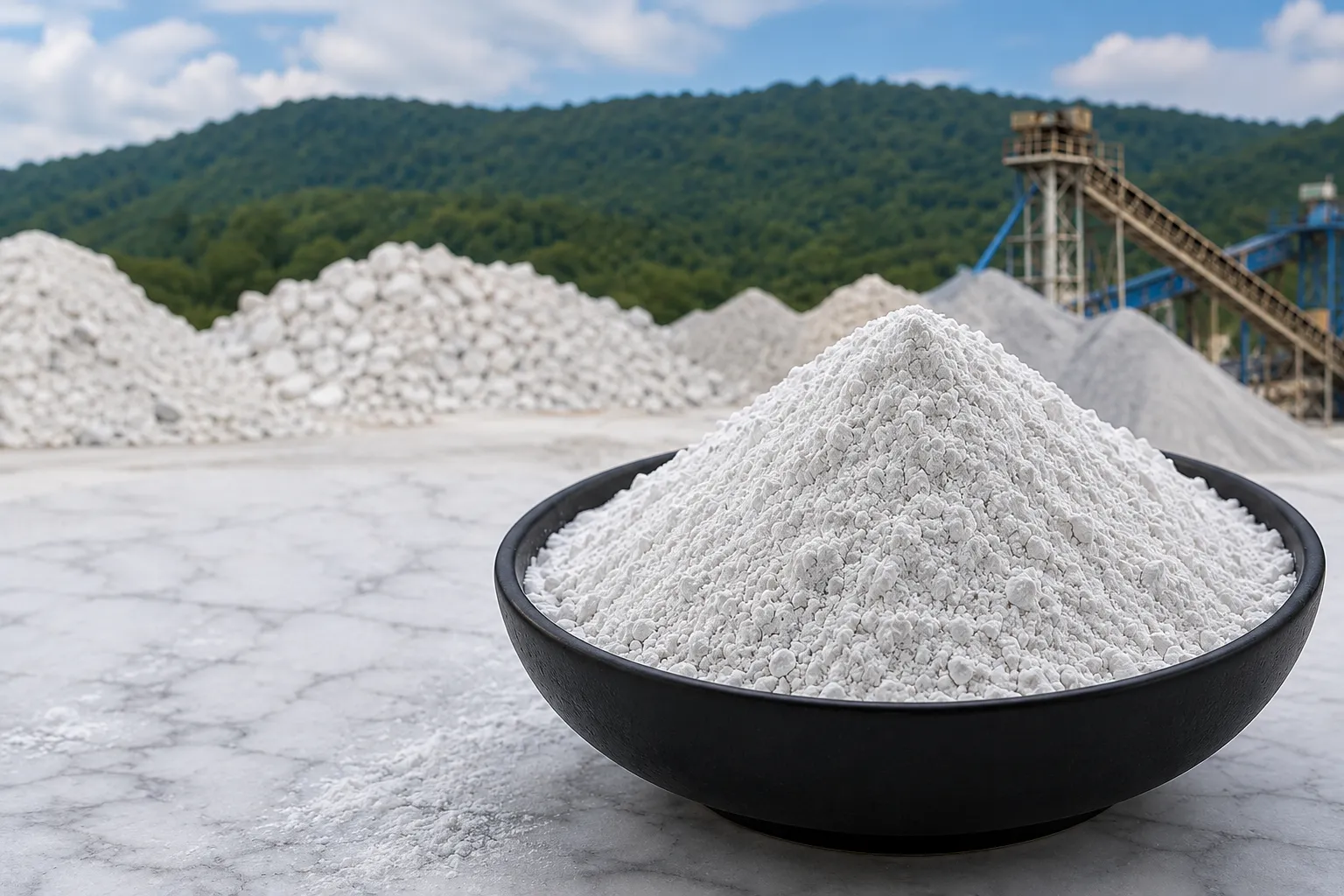

Industrial minerals play a vital role in modern manufacturing and infrastructure development. From ceramics and glass production to construction and agriculture, industries rely on high-quality minerals to ensure product performance and consistency. As demand for industrial raw materials continues to grow, choosing the right Minerals Manufacturer has become more important than ever. A reliable partner in the Mineral Processing Industry does much more than supply raw materials. They ensure proper sourcing, advanced processing, strict quality control, and consistent delivery of minerals that meet industry requirements. A trusted Industrial Minerals Supplier helps businesses maintain production efficiency while meeting quality standards. This Ultimate Minerals Manufacturer Guide helps businesses understand how minerals are sourced, processed, tested, and supplied throughout the manufacturing cycle. By gaining insight into mineral processing methods, quality standards, and industrial applications, companies can make informed decisions when selecting a manufacturing partner and ensuring long-term operational success.
What Does a Minerals Manufacturer Do?
A Minerals Manufacturing Company is responsible for transforming naturally occurring minerals into usable products for industrial applications. The process begins with mineral sourcing from deposits rich in natural mineral resources and continues through processing, refinement, testing, and distribution.
Unlike mining companies that primarily focus on mineral extraction, a manufacturer adds value by converting raw minerals into high-quality, industry-ready materials. These processed mineral products are designed to meet specific technical requirements for different industries.
The responsibilities of a minerals manufacturer typically include:
- Sourcing quality mineral deposits
- Processing and beneficiation of minerals
- Laboratory testing and quality assurance
- Product customization
- Packaging and distribution
- Technical support for industrial customers
Successful manufacturing requires extensive industry knowledge, advanced processing facilities, and a strong understanding of customer requirements. This expertise enables manufacturers to consistently deliver minerals that perform effectively across various industrial applications.
Ultimate Minerals Manufacturer Guide: Understanding the Mineral Processing Journey
Mineral Extraction and Sourcing
The manufacturing process starts with the careful selection and extraction of minerals from natural deposits. The quality of raw materials directly affects the performance of the final product.
Responsible sourcing practices help ensure sustainability, consistency, and long-term availability of resources. Manufacturers evaluate mineral deposits based on purity, composition, and suitability for industrial use before beginning extraction operations.
Proper sourcing also minimizes contamination risks and supports the production of high-quality industrial minerals.
Mineral Processing and Beneficiation
Once extracted, minerals undergo a series of processing stages designed to improve quality and usability. This phase is commonly known as mineral processing or mineral beneficiation.
Key processing steps include:
Crushing: Reduces large mineral rocks into smaller particles.
Grinding: Further decreases particle size to achieve required specifications.
Screening: Separates materials according to particle size.
Classification: Groups particles based on physical characteristics.
Purification: Removes unwanted materials and improves mineral quality.
These processes help convert raw minerals into valuable industrial raw materials suitable for manufacturing applications.
Mineral Refining Process
The mineral refining process focuses on eliminating impurities and achieving industry-specific standards. Advanced refining techniques improve mineral purity, consistency, and performance.
Refining may include:
- Chemical treatment
- Magnetic separation
- Flotation processes
- Drying and moisture control
- Fine particle classification
Through these processes, manufacturers create materials that meet the demanding requirements of the Mineral Processing Industry and its customers.
Why Quality Standards Matter in Mineral Manufacturing
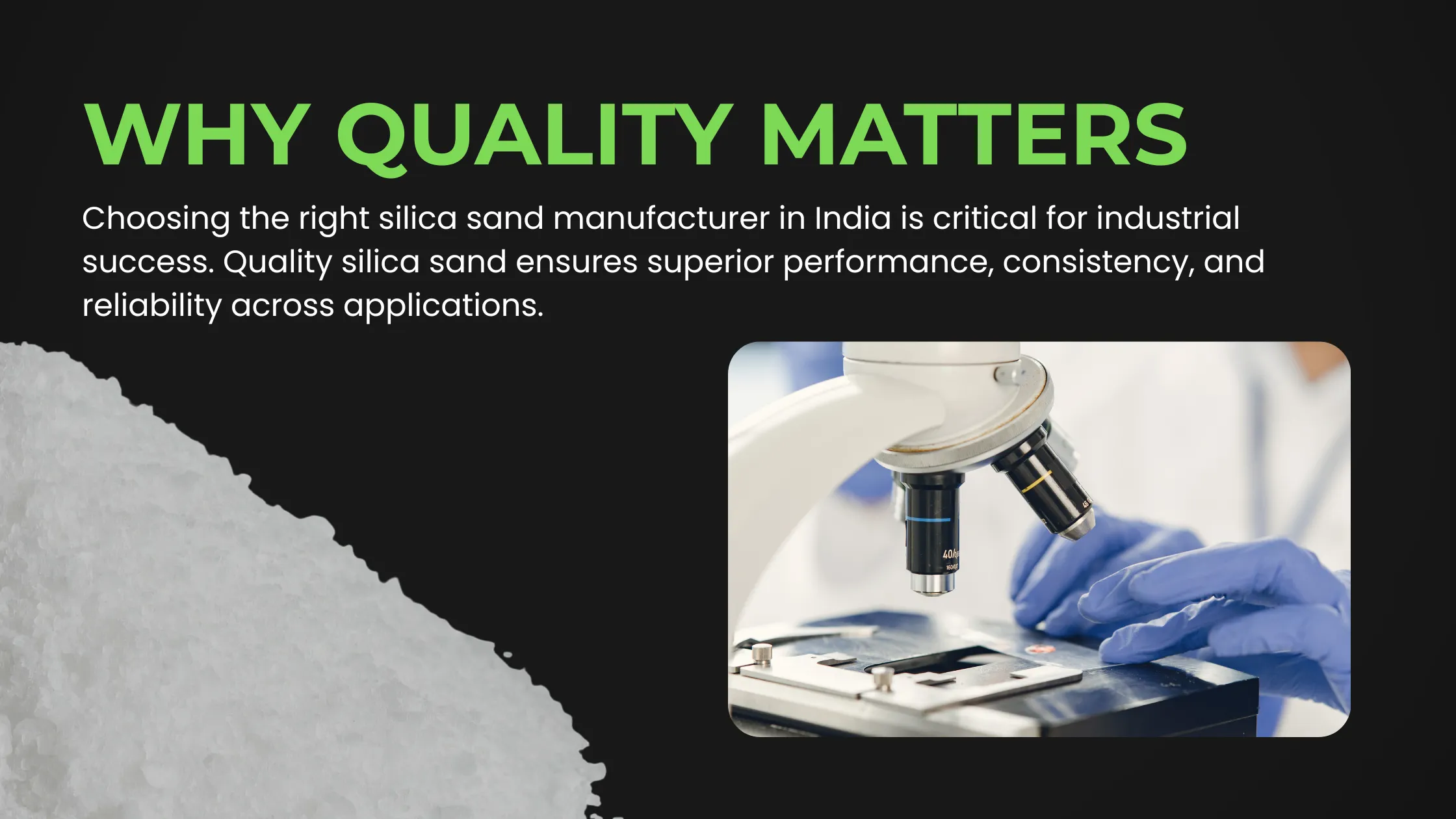
Quality is one of the most important factors in mineral manufacturing. Even small variations in mineral composition can affect production efficiency and final product performance.
A Certified Minerals Manufacturer follows established mineral quality standards to ensure consistency across every batch. Quality assurance procedures often include:
- Raw material inspection
- In-process monitoring
- Laboratory testing
- Particle size analysis
- Chemical composition testing
- Final product verification
Modern laboratories play a crucial role in maintaining product quality. Regular testing helps manufacturers identify variations and make necessary adjustments before products reach customers.
Many organizations also seek third-party verification and certifications to demonstrate compliance with domestic and international standards. Working with a Trusted Minerals Manufacturer like Sigma Minerals India provides greater confidence in product reliability and long-term performance.
Key Characteristics of a Top Minerals Manufacturer
Selecting the right manufacturing partner requires understanding the qualities that distinguish industry leaders from average suppliers.
Advanced Processing Infrastructure
A Top Minerals Manufacturer invests in modern equipment and processing technologies. Advanced facilities enable better control over particle size, purity, and product consistency.
Strict Quality Control
Quality control systems ensure every batch meets required specifications. Comprehensive testing procedures reduce variations and improve customer satisfaction.
Reliable Supply Chain
A dependable supply chain helps manufacturers maintain uninterrupted product availability. Effective inventory management and logistics planning support consistent deliveries.
Technical Expertise
Industry experience and technical knowledge allow manufacturers to understand customer requirements and recommend suitable mineral solutions.
Industry Certifications
Certifications demonstrate commitment to quality, safety, and operational excellence. A Leading Minerals Manufacturer often follows recognized quality management systems and industry best practices.
The combination of infrastructure, expertise, and quality management helps position a company as the Best Minerals Manufacturer in its market segment.
Industrial Applications of Minerals Across Industries
Industrial minerals serve as essential ingredients in numerous manufacturing processes. Their unique physical and chemical properties make them valuable across multiple sectors.
Ceramics Industry
Ceramic manufacturers rely heavily on minerals such as:
- Feldspar
- Quartz
- Kaolin
These materials improve strength, durability, surface finish, and thermal performance in ceramic products.
Glass Manufacturing
The glass industry uses minerals such as:
- Silica
- Dolomite
Silica acts as the primary raw material for glass production, while dolomite contributes to strength and durability.
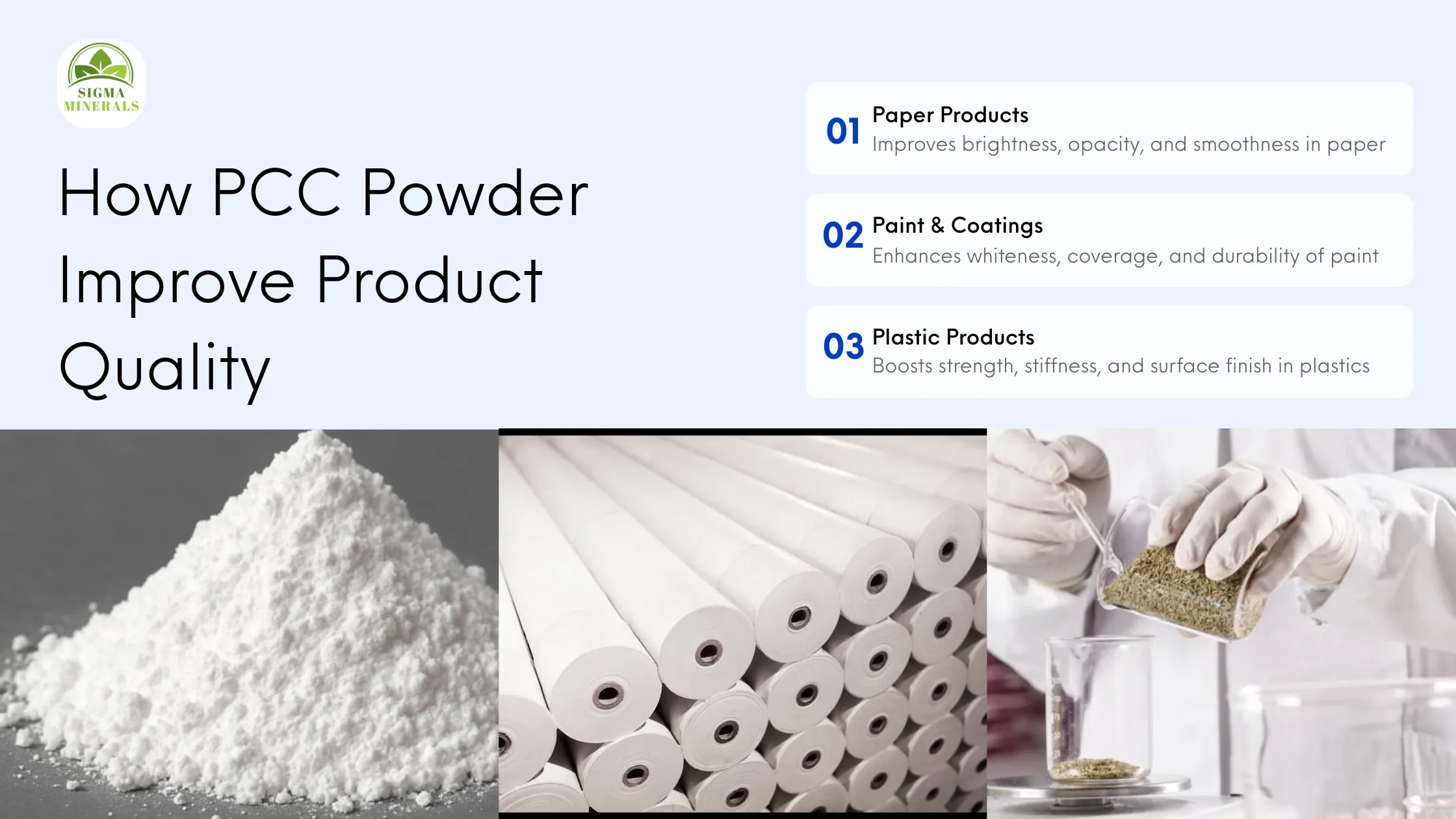
Paints and Coatings
Minerals play an important role in enhancing paint performance. Common materials include:
- Talc
- Calcite
These minerals improve texture, brightness, coverage, and durability.
Construction Industry
Construction applications depend on minerals such as:
- Limestone
- Dolomite
These materials contribute to cement production, building materials, and infrastructure development.
Agriculture and Chemical Industries
Specialty minerals support soil improvement, fertilizers, chemical processing, and environmental applications. These industrial applications of minerals demonstrate their importance in everyday products and industrial operations.
As an experienced Industrial Minerals Supplier, a manufacturer helps industries obtain high-quality materials that improve product performance and production efficiency.
The Role of a Bulk Minerals Manufacturer in Global Supply Chains
Large industries require continuous access to minerals in significant quantities. A Bulk Minerals Manufacturer plays a crucial role in meeting this demand.
Key responsibilities include:
- Maintaining large-scale production capacity
- Managing inventory effectively
- Coordinating transportation and logistics
- Ensuring uninterrupted supply
- Supporting international customers
Many manufacturers also operate as an Industrial Mineral Exporter, supplying minerals to customers across global markets.
Efficient logistics systems and strong supply chain management enable manufacturers to deliver industrial raw materials consistently while meeting customer deadlines and production schedules.
How to Choose the Best Minerals Manufacturer
Choosing the right supplier can significantly impact operational performance and product quality.
Evaluate Industry Experience
Look for manufacturers with proven expertise in mineral processing and industrial applications.
Check Product Quality Standards
Review laboratory testing procedures, quality assurance systems, and consistency records.
Assess Manufacturing Capacity
Ensure the manufacturer can meet both current and future production requirements.
Verify Certifications
A Certified Minerals Manufacturer demonstrates commitment to quality management and compliance standards.
Review Customer Support and Technical Assistance
Technical guidance can help businesses select suitable minerals for specific applications.
Consider Export and Supply Capabilities
Global distribution capabilities and reliable logistics systems are essential for long-term supply partnerships.
Working with a Trusted Minerals Manufacturer reduces risks and improves operational reliability.
Why SGM National Lab Stands Out as a Trusted Minerals Manufacturer
SGM National Lab has established a reputation through its focus on quality testing, mineral analysis, and process expertise. As a dedicated Manufacturer and Minerals Manufacturing Company, the organization emphasizes scientific evaluation and quality assurance throughout the production cycle.
Its expertise in mineral testing and processing supports industries that require consistent and reliable mineral products. Modern laboratory facilities enable detailed analysis of mineral characteristics, helping maintain quality standards and product consistency.
By focusing on technical knowledge, customer support, and continuous improvement, SGM National Lab contributes valuable expertise to businesses seeking a dependable Mineral Processing Company. Its commitment to quality and professional service supports customers across multiple industrial sectors.
Conclusion
Selecting the right Manufacturer is essential for businesses that depend on high-quality minerals for their operations. From sourcing and processing to testing and distribution, every stage of the manufacturing journey influences product performance and reliability.
An experienced Mineral Processing Company combines technical expertise, advanced infrastructure, and strict quality control to deliver consistent results. Working with a Trusted Minerals Manufacturer and reliable Industrial Minerals Supplier helps businesses improve operational efficiency while maintaining quality standards.
Whether your requirements involve large-scale industrial production or specialized mineral applications, partnering with knowledgeable professionals can provide the quality, consistency, and support needed for long-term success.